
Author: admin

  • A year of tilapia ponds in numbers

    A year of tilapia ponds in numbers

    The figures we track, what they told us this year and what we will change next season.

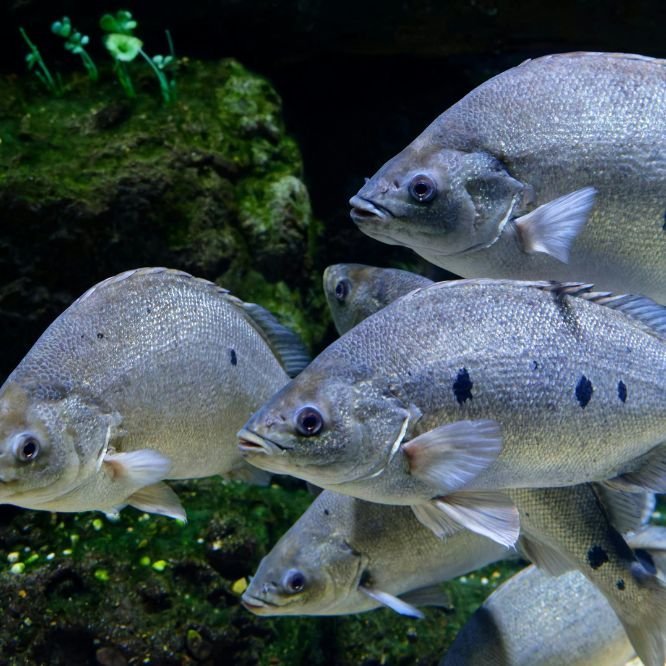
    We farm tilapia, carp and catfish in managed earthen and lined ponds — tested water, balanced feed and steady oxygen every single day. Every pond is mapped, logged and checked twice a day, so fish grow evenly and reach the market on time.

    Three things that make the difference

    • Aeration on demand — Paddle wheels switch on automatically when oxygen drops.
    • Biosecurity first — Footbaths, quarantine ponds and clean tools for every unit.
    • Natural pond life — Green water and plankton support growth with less feed.

    How we do it, step by step

    1. Broodstock & fry: Selected parents give strong, even fry.
    2. Nursery: Fry grow to fingerlings in protected tanks.
    3. Grow-out ponds: Fingerlings move to tested, aerated ponds.
    4. Harvest: Calm, quick harvesting keeps quality high.
    5. Market: Chilled transport to buyers the same day.

    The fish we buy for our restaurant are always fresh and clean-tasting.

    Karim S., Restaurant owner

    Can I buy fingerlings for my own pond?

    Yes. We sell graded fingerlings with a simple stocking guide and phone support.

    Have a question about tilapia ponds? Contact our team or book a farm visit — we are happy to help.
  • A year of sea bream cages in numbers

    A year of sea bream cages in numbers

    The figures we track, what they told us this year and what we will change next season.

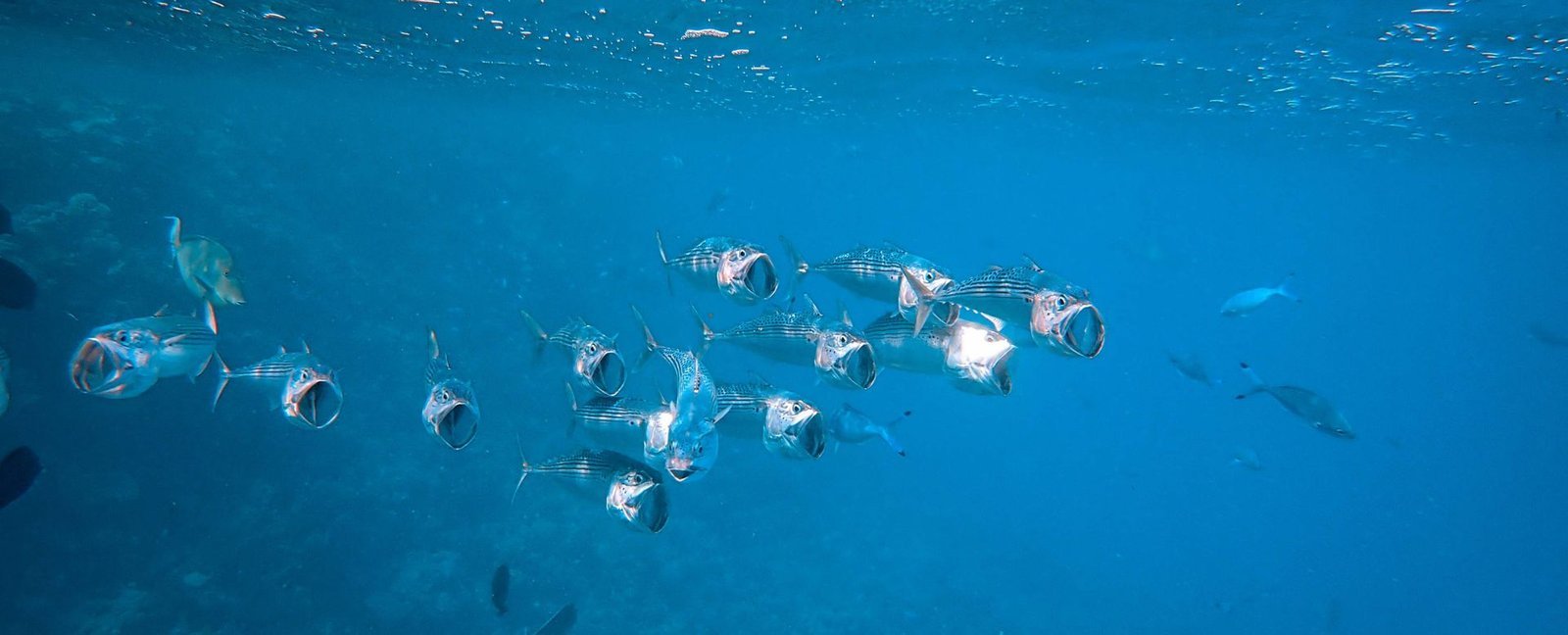
    Our offshore cages sit in deep, well-flushed water. Fish have room to swim, and divers and cameras watch every net. From hatchery to harvest boat, each batch is traceable — you know where your fish lived and what it ate.

    Three things that make the difference

    • Fish welfare — Low stocking density and gentle handling.
    • Seabed checks — We survey the seabed under each site every season.
    • Full traceability — Every batch carries its hatchery and feed record.

    How we do it, step by step

    1. Marine hatchery: Eggs hatch in filtered, temperature-controlled seawater.
    2. Juveniles: Young fish are vaccinated and graded by size.
    3. Sea cages: They grow for 14–18 months in open water.
    4. Harvest boat: Fish are chilled on board within minutes.
    5. Packing: Packed on ice and shipped the same day.

    Consistent size and firm flesh, week after week. Our grill menu depends on it.

    Chef Nadia R., Seafood restaurant

    Can restaurants order whole fish?

    Yes — whole, gutted or filleted, packed on ice in 5 kg and 10 kg boxes.

    Have a question about sea bream cages? Contact our team or book a farm visit — we are happy to help.
  • A year of fish feed in numbers

    A year of fish feed in numbers

    The figures we track, what they told us this year and what we will change next season.

    Starter, grower and finisher feeds made for warm-water and marine fish — less waste, better conversion, cleaner water. Our nutritionists match protein, energy and pellet size to your species, water temperature and goals.

    Three things that make the difference

    • Cleaner water — Stable pellets mean less waste on the pond floor.
    • Feeding advice — Free feeding tables and on-farm visits.
    • Floating & sinking pellets — Choose the pellet that suits your fish and system.

    How we do it, step by step

    1. Ingredients: Sourced and checked for quality and origin.
    2. Formulation: Recipes balanced for each species and stage.
    3. Extrusion: Pellets cooked, shaped and dried precisely.
    4. Quality control: Each batch tested before it leaves the mill.
    5. Delivery: Bagged or bulk, delivered to your farm gate.

    Pellets float, hold together and the water stays clearer. Simple as that.

    Amal G., Farm technician

    Which feed should I start with?

    Use starter crumbles until 5 g, then grower pellets matched to mouth size. Our feeding table shows each step.

    Have a question about fish feed? Contact our team or book a farm visit — we are happy to help.
  • A year of water quality in numbers

    A year of water quality in numbers

    The figures we track, what they told us this year and what we will change next season.

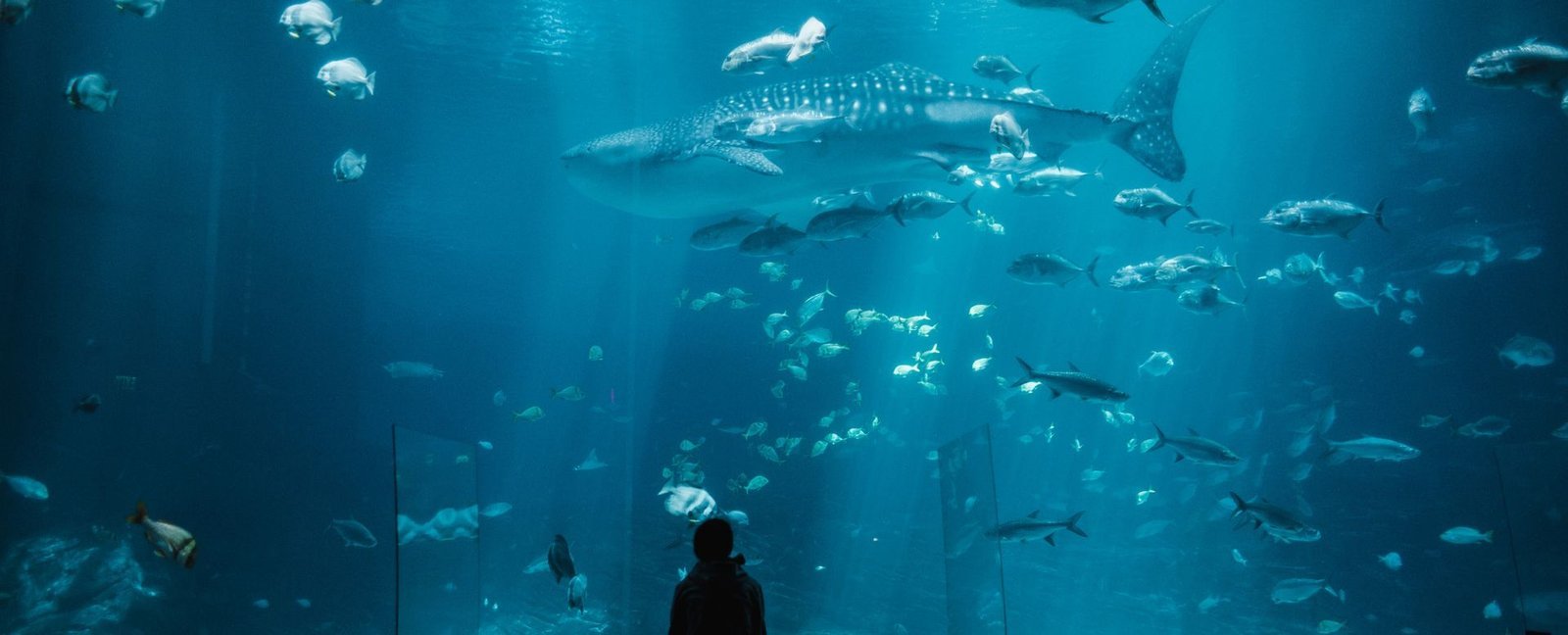
    Recirculating systems clean and reuse up to 99% of their water, so you can farm close to your market all year. Sensors, automatic feeders and one clear dashboard — your farm on your phone, day and night.

    Three things that make the difference

    • Low energy design — Efficient pumps and heat recovery cut costs.
    • Water recirculation — Mechanical and bio-filters reuse up to 99% of water.
    • Live sensors — Oxygen, temperature and pH read every minute.

    How we do it, step by step

    1. Site study: We size the system to your space, water and market.
    2. Design: Tanks, filters and pumps drawn as one system.
    3. Build & install: Our team builds, tests and commissions on site.
    4. Training: Your staff learn daily routines and alarms.
    5. Support: Remote monitoring and spare parts on call.

    Clear design, clean install and training our team actually understood.

    Ahmed K., Operations manager

    Which species suit RAS?

    Tilapia, sea bass, trout, sturgeon and shrimp all grow well in well-designed systems.

    Have a question about water quality? Contact our team or book a farm visit — we are happy to help.
  • A year of the hatchery in numbers

    A year of the hatchery in numbers

    The figures we track, what they told us this year and what we will change next season.

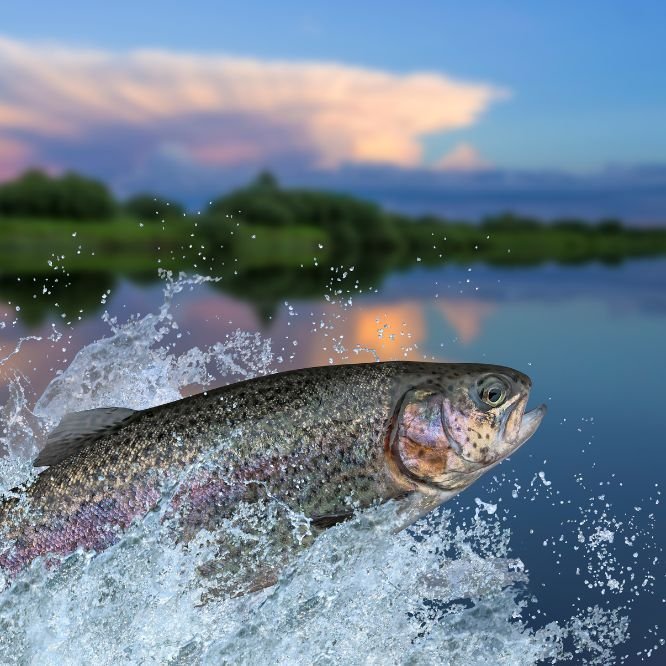
    Selected broodstock, clean incubation and careful first feeding give you fry that grow fast and evenly. We breed for growth, survival and disease resistance — and we track every family line.

    Three things that make the difference

    • Breeding programme — Family lines selected for growth and survival.
    • Clean incubation — UV-treated water and stable temperature for eggs.
    • First feeding — Live feed and micro-diets for the first weeks.

    How we do it, step by step

    1. Broodstock: Parents conditioned with the right light and feed.
    2. Spawning: Eggs collected and counted under clean conditions.
    3. Incubation: Stable temperature until the eggs hatch.
    4. Larval rearing: Live feed, then weaning onto starter diets.
    5. Fingerlings: Graded, vaccinated and ready for your farm.

    Even fry, honest counts and a vet certificate with every load. That is rare.

    Hassan M., Fish farmer

    How are fry transported?

    In oxygenated tanks or bags, packed to match the distance and temperature.

    Have a question about the hatchery? Contact our team or book a farm visit — we are happy to help.
  • A year of harvest day in numbers

    A year of harvest day in numbers

    The figures we track, what they told us this year and what we will change next season.

    We farm tilapia, carp and catfish in managed earthen and lined ponds — tested water, balanced feed and steady oxygen every single day. Every pond is mapped, logged and checked twice a day, so fish grow evenly and reach the market on time.

    Three things that make the difference

    • Balanced feeding — Rations follow fish size, water temperature and appetite.
    • Aeration on demand — Paddle wheels switch on automatically when oxygen drops.
    • Biosecurity first — Footbaths, quarantine ponds and clean tools for every unit.

    How we do it, step by step

    1. Broodstock & fry: Selected parents give strong, even fry.
    2. Nursery: Fry grow to fingerlings in protected tanks.
    3. Grow-out ponds: Fingerlings move to tested, aerated ponds.
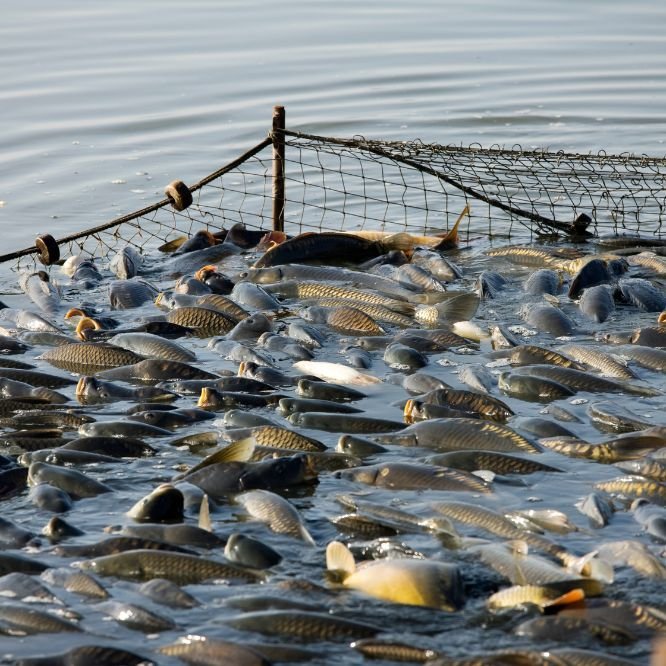
    4. Harvest: Calm, quick harvesting keeps quality high.
    5. Market: Chilled transport to buyers the same day.

    Clear advice on feeding and oxygen. We finally plan harvests instead of guessing.

    Mona A., Farm manager

    Do you deliver live fish?

    We deliver live and fresh-on-ice fish to markets, restaurants and other farms.

    Have a question about harvest day? Contact our team or book a farm visit — we are happy to help.
  • A year of pond aeration in numbers

    A year of pond aeration in numbers

    The figures we track, what they told us this year and what we will change next season.

    We farm tilapia, carp and catfish in managed earthen and lined ponds — tested water, balanced feed and steady oxygen every single day. Every pond is mapped, logged and checked twice a day, so fish grow evenly and reach the market on time.

    Three things that make the difference

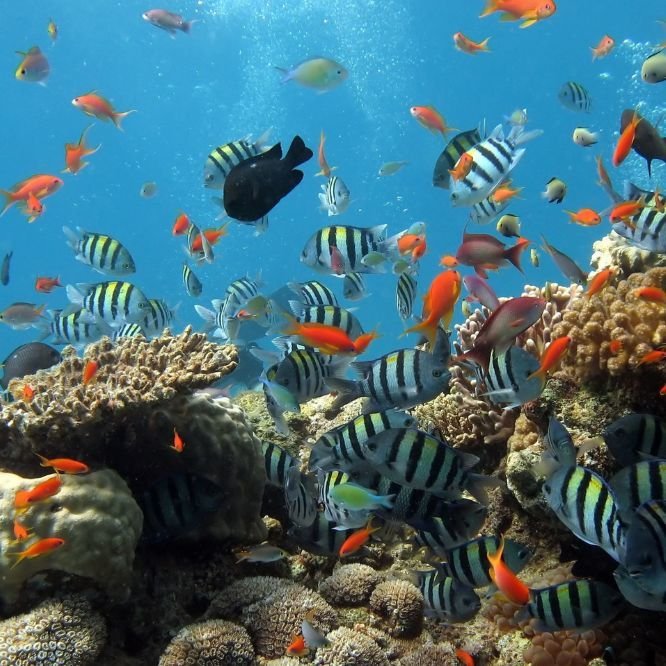
    • Aeration on demand — Paddle wheels switch on automatically when oxygen drops.
    • Biosecurity first — Footbaths, quarantine ponds and clean tools for every unit.
    • Natural pond life — Green water and plankton support growth with less feed.

    How we do it, step by step

    1. Broodstock & fry: Selected parents give strong, even fry.
    2. Nursery: Fry grow to fingerlings in protected tanks.
    3. Grow-out ponds: Fingerlings move to tested, aerated ponds.
    4. Harvest: Calm, quick harvesting keeps quality high.
    5. Market: Chilled transport to buyers the same day.

    The fish we buy for our restaurant are always fresh and clean-tasting.

    Karim S., Restaurant owner

    Which species do you farm?

    Mainly Nile tilapia, red tilapia, common carp and African catfish, chosen for local water and demand.

    Have a question about pond aeration? Contact our team or book a farm visit — we are happy to help.
  • A year of fingerlings in numbers

    A year of fingerlings in numbers

    The figures we track, what they told us this year and what we will change next season.

    Selected broodstock, clean incubation and careful first feeding give you fry that grow fast and evenly. We breed for growth, survival and disease resistance — and we track every family line.

    Three things that make the difference

    • Health certified — Each batch is checked by our fish vet before sale.
    • Graded sizes — Fingerlings sorted by size for even growth.
    • Oxygenated transport — Tanks with oxygen keep fry calm on the road.

    How we do it, step by step

    1. Broodstock: Parents conditioned with the right light and feed.
    2. Spawning: Eggs collected and counted under clean conditions.
    3. Incubation: Stable temperature until the eggs hatch.
    4. Larval rearing: Live feed, then weaning onto starter diets.
    5. Fingerlings: Graded, vaccinated and ready for your farm.

    Even fry, honest counts and a vet certificate with every load. That is rare.

    Hassan M., Fish farmer

    Are your fry all-male?

    Our tilapia fingerlings are mono-sex for even growth; ask us about other species.

    Have a question about fingerlings? Contact our team or book a farm visit — we are happy to help.

  • A year of farm biosecurity in numbers

    A year of farm biosecurity in numbers

    The figures we track, what they told us this year and what we will change next season.

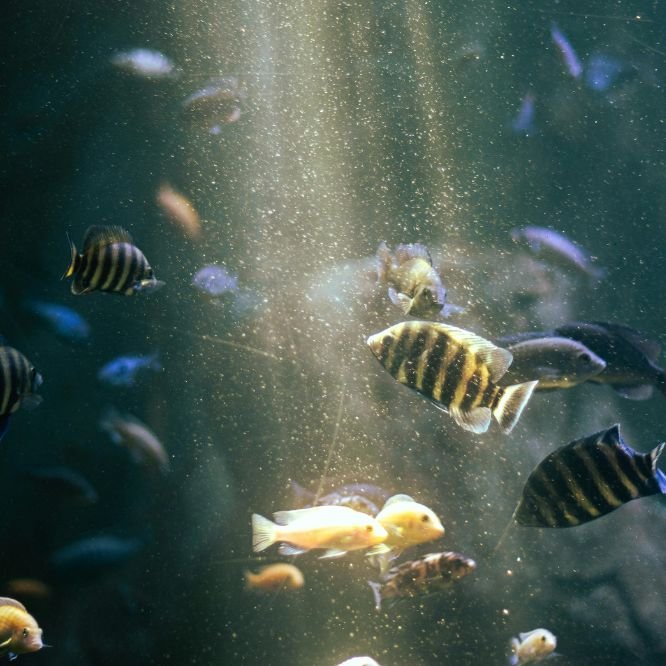
    Our lab and public aquarium study fish health, breeding and reef restoration — and share what we learn. Courses, school visits and research partnerships for the next generation of aquaculture experts.

    Three things that make the difference

    • Public aquarium — Tunnels, touch pools and guided tours.
    • Open data — Water and health studies shared openly.
    • Fish health lab — Diagnostics for farms within 48 hours.

    How we do it, step by step

    1. Question: Problems brought to us by farmers.
    2. Experiment: Trials in tanks and partner farms.
    3. Data: Careful records and statistics.
    4. Share: Guides, courses and open papers.
    5. Apply: New practice on real farms.

    My students still talk about the touch pool and the shark tunnel.

    Ms. Hala N., Science teacher

    Are your ornamental fish captive-bred?

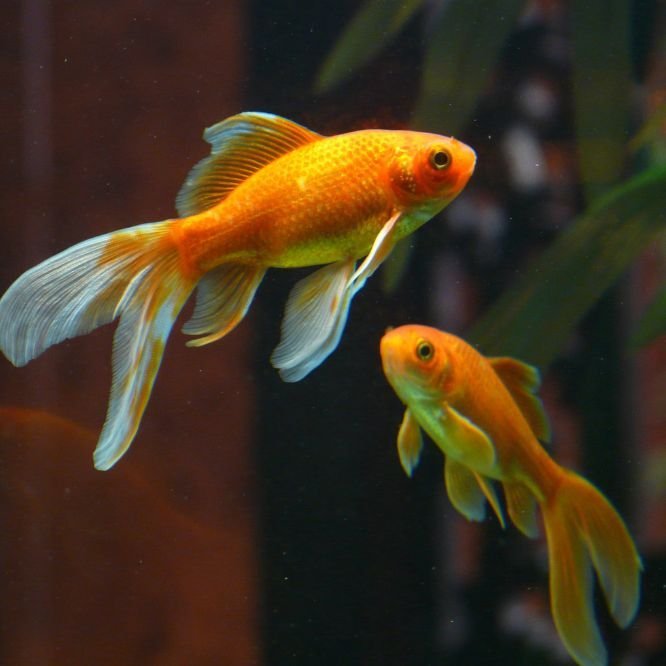
    Yes, we breed and sell only captive-bred ornamental fish.

    Have a question about farm biosecurity? Contact our team or book a farm visit — we are happy to help.

  • A year of sustainable aquaculture in numbers

    A year of sustainable aquaculture in numbers

    The figures we track, what they told us this year and what we will change next season.

    Farmed fish is one of the most efficient proteins on the planet. We work to make every kilo cleaner than the last. Clear targets, independent audits and yearly reports — progress you can check for yourself.

    Three things that make the difference

    • Certified practice — Independent audits against recognised standards.
    • Healthy oceans — Site rotation and seabed monitoring protect habitats.
    • Lower carbon — Solar power and efficient boats cut emissions.

    How we do it, step by step

    1. Set targets: Clear goals for carbon, water and welfare.
    2. Measure: Data from every site, every month.
    3. Improve: New feed, energy and handling practices.
    4. Audit: Independent experts check our numbers.
    5. Report: A public report every year.

    We buy from them because we can trace every box back to its site.

    Sara P., Sustainability buyer

    Where can I read your report?

    Our yearly sustainability report is on the Reports page, with past years kept online.

    Have a question about sustainable aquaculture? Contact our team or book a farm visit — we are happy to help.