The errors we see most often on farms and in kitchens — and the simple habits that prevent them.
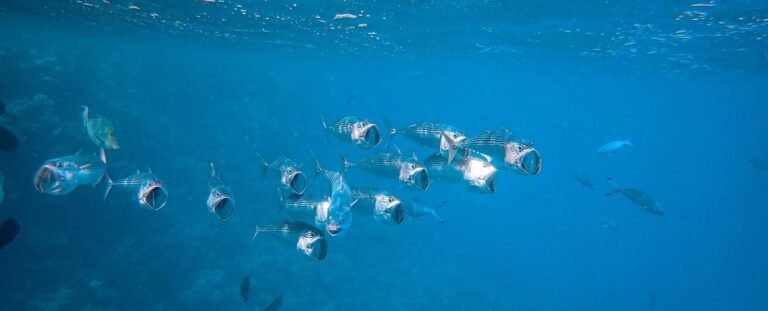
Our offshore cages sit in deep, well-flushed water. Fish have room to swim, and divers and cameras watch every net. From hatchery to harvest boat, each batch is traceable — you know where your fish lived and what it ate.
Three things that make the difference
- Full traceability — Every batch carries its hatchery and feed record.
- Offshore cage sites — Deep water and steady currents keep oxygen high.
- Underwater cameras — We watch feeding and behaviour in real time.
How we do it, step by step
- Marine hatchery: Eggs hatch in filtered, temperature-controlled seawater.
- Juveniles: Young fish are vaccinated and graded by size.
- Sea cages: They grow for 14–18 months in open water.
- Harvest boat: Fish are chilled on board within minutes.
- Packing: Packed on ice and shipped the same day.
Fish arrive cold, clean and perfectly packed every time.
Lina K., Fish market
Can restaurants order whole fish?
Yes — whole, gutted or filleted, packed on ice in 5 kg and 10 kg boxes.
Have a question about sea bream cages? Contact our team or book a farm visit — we are happy to help.
Farm news, once a month
Guides, new dates and offers — no spam.