Everything you need to know before you start, explained step by step and without jargon.
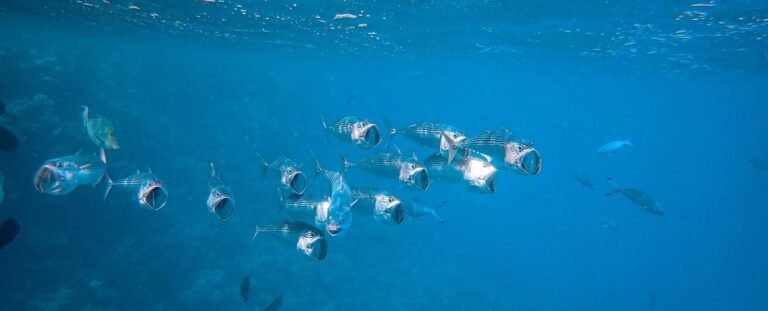
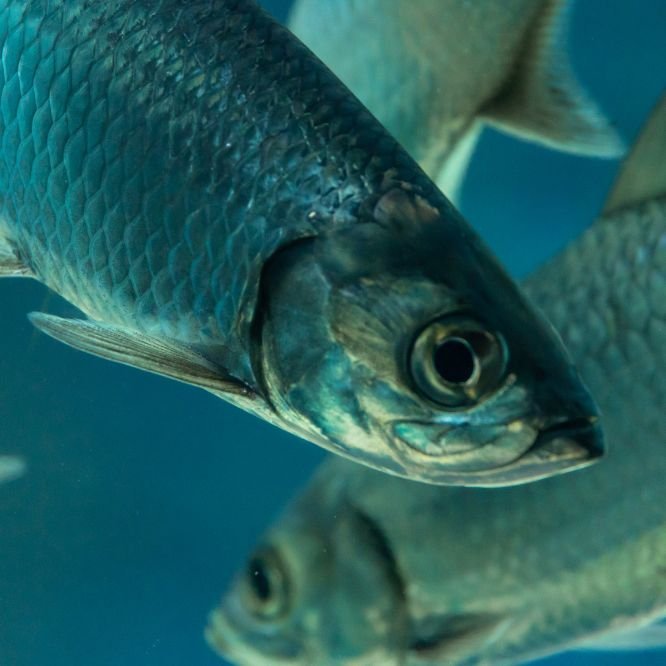
Our offshore cages sit in deep, well-flushed water. Fish have room to swim, and divers and cameras watch every net. From hatchery to harvest boat, each batch is traceable — you know where your fish lived and what it ate.
Three things that make the difference
- Underwater cameras — We watch feeding and behaviour in real time.
- Net care & diving — Divers inspect and clean every net on schedule.
- Fish welfare — Low stocking density and gentle handling.
How we do it, step by step
- Marine hatchery: Eggs hatch in filtered, temperature-controlled seawater.
- Juveniles: Young fish are vaccinated and graded by size.
- Sea cages: They grow for 14–18 months in open water.
- Harvest boat: Fish are chilled on board within minutes.
- Packing: Packed on ice and shipped the same day.
They showed us the seabed reports before we signed. That transparency won us over.
Omar F., Retail buyer
Do cages harm the seabed?
Sites are chosen for strong currents, and we survey the seabed each season to keep impact low.
Have a question about sea bream cages? Contact our team or book a farm visit — we are happy to help.
Farm news, once a month
Guides, new dates and offers — no spam.